

Descaling mold water passages (channels within the mold through which coolant flows to control the temperature during the molding process) is an essential aspect of mold maintenance in injection molding.
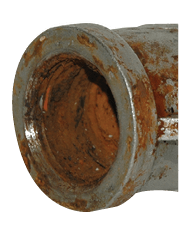
Over time, these passages can accumulate scale deposits, which are typically a buildup of minerals, rust, or other contaminants from the water used in the cooling system. Mineral deposits can shrink the functional size of the water passages, causing a drop in flow – and therefore a drop in the ability of the mold to cool the plastic parts quickly.
To descale passages effectively, various methods such as chemical agents, mechanical cleaning, or ultrasonic cleaning may be employed, depending on the severity of the scale buildup and the material composition of the mold. It’s essential to follow the manufacturer’s recommendations and best practices to ensure thorough cleaning without damaging the mold surfaces. Regular descaling as part of a comprehensive mold maintenance program helps optimize mold performance and prolong its lifespan.
Plastic Injection Mold Process — Dissolve and Flush Away Contaminants from Mold Passages, Water Lines and
Heat Exchangers

Why descale mold water passages?
- Maintaining Cooling Efficiency: Scale deposits can reduce the efficiency of the cooling system by obstructing the flow of coolant through the water passages. This can lead to uneven cooling of the mold, resulting in variations in part quality, increased cycle times, and potentially even thermal stress on the mold.
- Preventing Mold Damage: Severe scale buildup can lead to blockages in the water passages, causing localized overheating of the mold. This can result in thermal fatigue, warping, or even cracking of the mold components, compromising their structural integrity and lifespan.
- Preventing Corrosion: Scale deposits can create an environment conducive to corrosion within the water passages. Corrosion can weaken the mold material, leading to premature failure and costly repairs or replacements.
- Maintaining Part Quality: Descaling the water passages helps ensure that the mold maintains the desired temperature profile throughout the molding process, resulting in uniform part dimensions, reduced defects, and improved surface finish.
- Minimizing Downtime: Regular descaling of mold water passages as part of routine maintenance helps prevent unexpected issues such as mold overheating or cooling system failures, minimizing unplanned downtime and production disruptions.
Biodegradable Descalers
Any product that can dissolve those deposits must contain acid. An acid solution will re-dissolve the mineral deposits and flush them away. Acid is the only thing that can cause this re-dissolution.
“Biodegradable” descalers sounds safe, but are still approximately 9% hydrochloric acid – very strong. The user normally mixes a biodegradable descaler 50/50 with water so you are at 4.5% of a very strong acid when used. Biodegradable descalers are mainly water, yet cost almost as much an acid. A larger amount of biodegradable descaler must be used to reach an appropriate strength. The ratio of cost to descaling ability is very poor for biodegradable descalers.
Biodegradable descalers are formulated to clean potable water systems on ships and sailing vessels. They include chemicals that are designed to remove biological agents like slime, mildew, and mud. That is an issue that most molders don’t face most of the time. If you have a yacht, definitely use the biodegradable descaler. If you have molds, use an acid.
Why bother with a neutralizer?
Acid must be neutralized before disposal as waste water. Too much acid will damage the water treatment system.
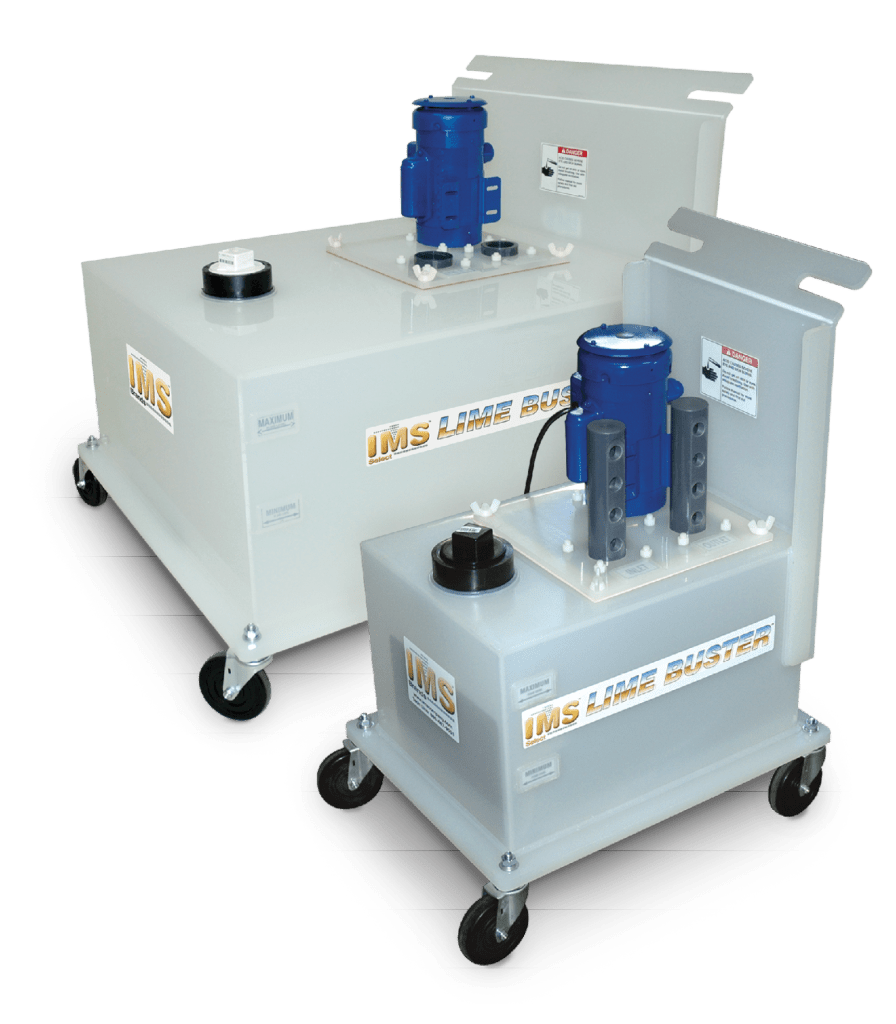
Why use a Lime Buster from IMS?
IMS pioneered this equipment. We also have years of improvements and application support. DON’T BE FOOLED by premixed solutions and similar knock-off products that make the same claim. The Lime Buster is built for consistency and safety even in rugged conditions. This low-maintenance system is offered in two sizes, the Lime Buster III (11 gal.) and the Lime Buster XL (30 gal.). Designed with the user in mind, the Lime Buster’s success can be accredited to:
- High-flow low pressure CPVC Plastic Pump with Thermally Protected Continuous Duty Motor
- Easy-Pour Wide-Mouth Tank Fill and Drain
- Durable Welded Polypropylene Construction specifically molded to form a tight seal.
- Plastic Frame, Tank, Pump, Fittings and Hardware ensure corrosion resistance and long life
- Integral Grounded Switch Box
- Easy access ON/OFF Switch
- 5 Ft. Grounded Power Cord with Plug
- Quality All-Swivel Castor with Rubber Wheels





 IMS Company Blog
Leave a comment