

Planning a shutdown for an injection molding plant is a complex task that requires careful planning and preparation to minimize downtime, maintain productivity, and ensure safety as well as ensure equipment, materials, and processes are properly secured and preserved. Here’s a structured approach to planning a smooth shutdown:
1. Plan the Shutdown Schedule
- Coordinate with Departments: Plan with all relevant departments (maintenance, quality control, logistics) to ensure smooth transition. If possible, plan for sequential shutdowns to avoid a full-plant shutdown. Determine which equipment and areas will be affected. Notify Staff of shutdown timelines and responsibilities clearly to all employees. Identify specific reasons for the shutdown—whether it’s for maintenance, upgrades, or seasonal downtime. Also, identify key tasks or equipment that may define the overall timeline.
2. Clear Remaining Inventory:
Raw Material Management: Finalize production of in-progress parts, and clear out or ship finished goods. Plan to fulfill orders in advance to prevent customer disruptions. Use up raw materials to minimize waste. If unused materials remain, store them properly.
3. Clean and Maintain Machines:
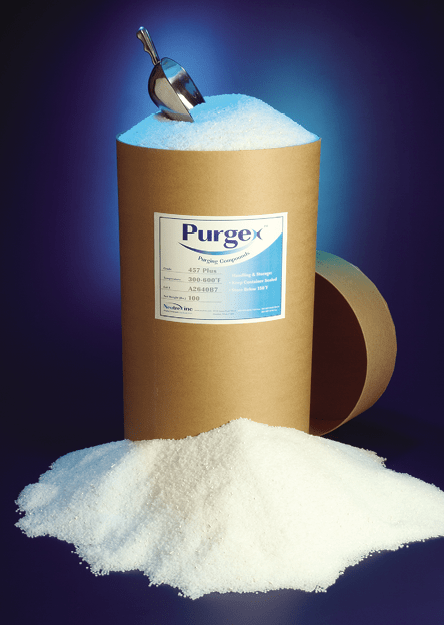
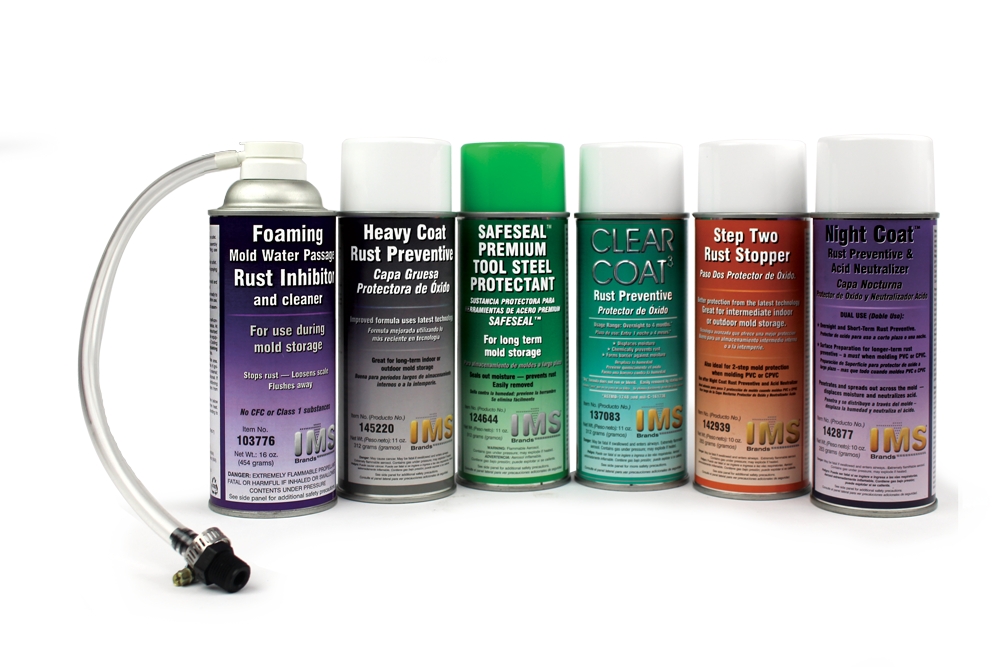
- Cleaning and Purging: Clean each machine thoroughly, and purge the injection molding machines to remove residual material. Lubricate and grease all moving parts to prevent corrosion during downtime. Remove and store molds properly, and inspect them for wear and damage.

4. Utilities and Safety Systems:
- Power Down Machines Safely: Turn off machines systematically according to the manufacturer’s shutdown procedures. If applicable, drain cooling water and compressed air lines to prevent freezing or damage. Clean molds, screws, and barrels to prevent material from hardening during the downtime. Ensure fire suppression and alarm systems remain operational and resources (staff, tools, replacement parts) are ready for both planned maintenance and unexpected repairs. Adjust inventory and supply chain requirements to account for the shutdown and restart.
5. Environmental and Safety Compliance:

Lockout/Tagout: Enforce procedures on all equipment to prevent accidental startup. Inspect equipment to ensure compliance with standards. Ensure staff is trained on shutdown and startup protocols, especially those handling hazardous materials.
Waste Disposal: Dispose of hazardous or excess materials according to environmental regulations. Confirm that safety protocols are followed, and ensure proper signage is posted for the shutdown.
6. Documentation and Final Checks:
- Inspection and Documentation: Document all shutdown procedures and perform a final inspection to confirm all equipment is secured. Provide a step-by-step guide for each shutdown task. Assign clear roles to ensure accountability, including a point person for each major component (machinery, safety, scheduling). Schedule preventive maintenance tasks for the shutdown period, such as inspecting equipment and infrastructure. Ensure the plant is secure, with restricted access as necessary. If possible, set up remote monitoring for critical systems.
7. Plan for the Startup Phase
- Inspect and test all equipment to ensure it’s fully functional and safe. Run trial molds to confirm correct operation and quality standards. Calibrate machinery and quality inspection tools to ensure consistent production. Notify all teams of the restart schedule. If necessary, inform clients of potential impacts on production schedules. Plan for unexpected issues, such as equipment failure or supplier delays, by scheduling buffer time or backup resources.
8. Post-Shutdown Review
- Conduct a review to assess the shutdown’s effectiveness, documenting any issues or insights for future shutdown planning. A well-prepared shutdown process ensures maintenance, safety, and efficient restart, minimizing impact on production and quality.





 IMS Company Blog
Leave a comment